
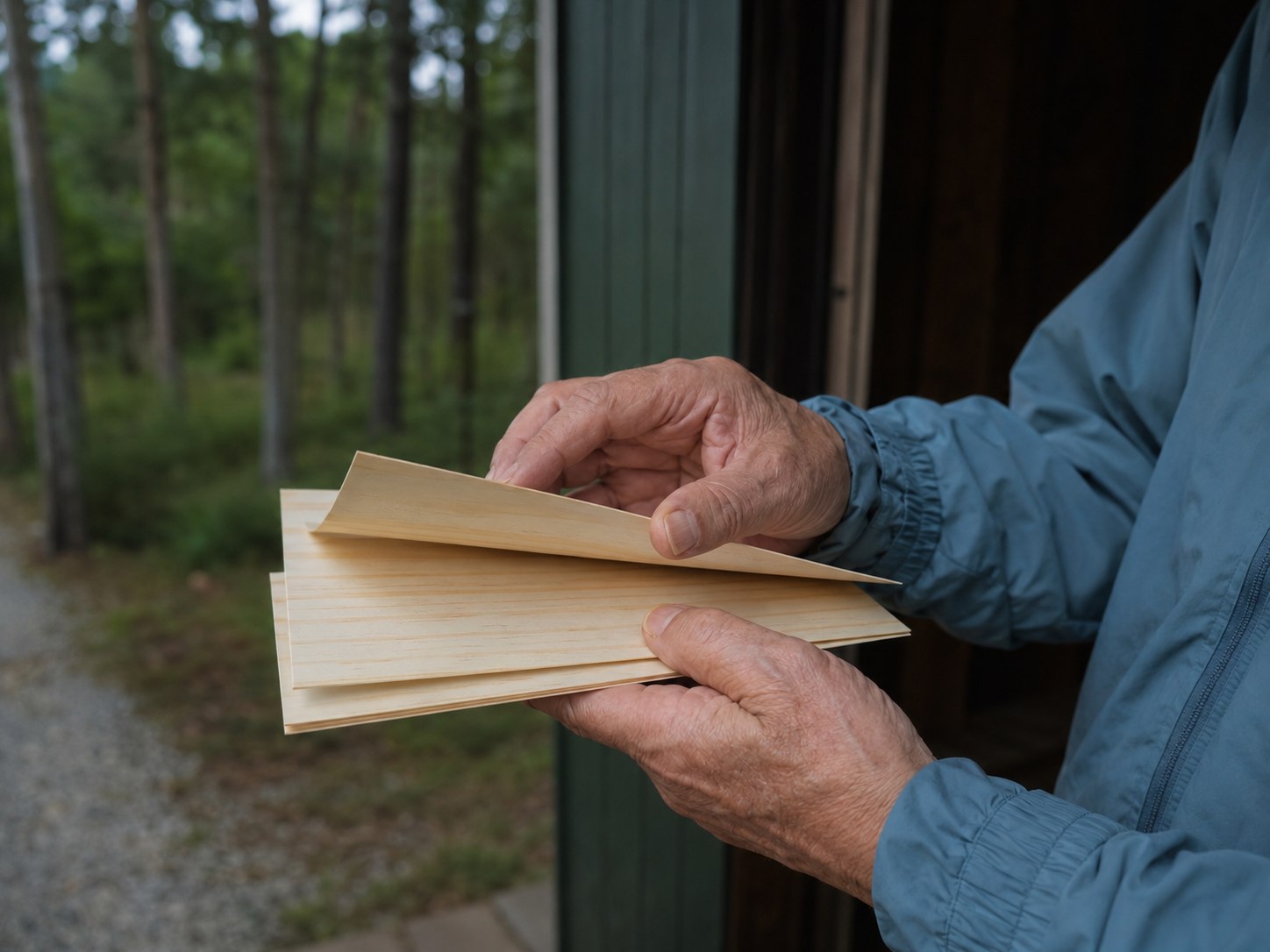
Material pages help because handmade products are often understood through touch, weight, care, and aging before they are understood by category.
A product category tells you what an object is. Material tells you how it may feel and live with you. For handmade shopping, both paths matter.
Material explains care
Wood, paper, textile, bamboo, straw, rattan, stone, and bead each ask for different care. A buyer should know whether an object needs dry storage, gentle handling, framing, dusting, or protection from heat.
Material explains variation
Handmade and natural materials rarely behave like factory-perfect surfaces. Grain can shift. Weave can vary. Tone can change. Edges can show the hand or the tool. A good material page makes that variation easier to understand.
Material supports better comparisons
If you are choosing between a framed print, a wood notebook, and a woven shade, category alone will not help. Material lets you compare care, room fit, texture, and the kind of value the object offers.
How ACREHAND uses material pages
Each confirmed product should connect to a material path and a use path. The wood veneer notebook belongs to desk and stationery by use, and to wood and paper by material.
Start with Materials, then compare a confirmed product such as the A6 Wood Veneer Notebook.